In a world filled with trendy diets, expensive supplements, and constantly changing “superfoods,” many people overlook one of the healthiest meals ever created — the traditional slow-cooked stew your grandmother used to make.
Long before protein powders, detox teas, and viral nutrition trends existed, families around the world relied on simple, nourishing meals made from natural ingredients, slow cooking methods, and generations of wisdom. These traditional dishes were not designed for social media or marketing campaigns. They were created to feed families, strengthen communities, and provide lasting energy and comfort.
Today, modern nutrition science is beginning to confirm what our grandparents already knew: slow-cooked traditional meals can be incredibly healthy.
The Power of Slow Cooking
One of the biggest advantages of traditional stews is the cooking method itself. Slow cooking allows ingredients to release their flavors gradually while preserving many important nutrients. Vegetables become tender without needing excessive oil or artificial flavoring, and meats become easier to digest as connective tissues break down naturally over time.
Bone-based broths used in many traditional stews are rich in collagen, minerals, and amino acids that support joint health, digestion, and immunity. Beans and lentils soften slowly, improving digestibility and allowing the body to absorb nutrients more efficiently.
Unlike fast food or heavily processed meals, slow-cooked dishes are typically made with whole ingredients and fewer additives. The result is a balanced meal that satisfies hunger for longer periods and supports overall well-being.
Traditional Ingredients, Timeless Nutrition
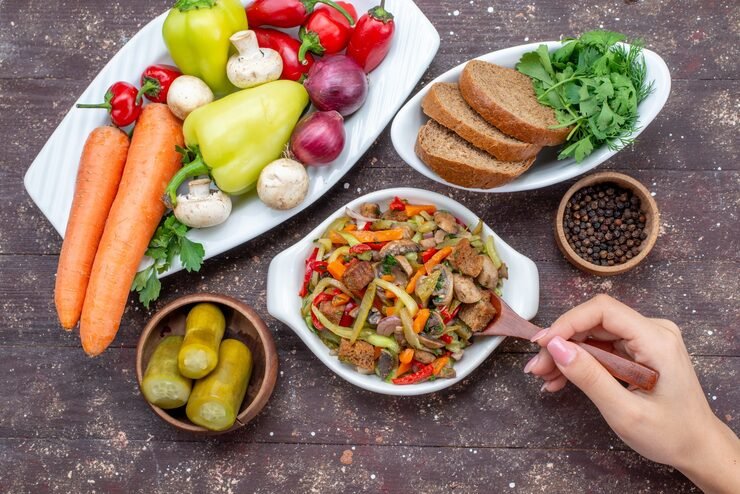
Your grandmother’s stew likely included ingredients that modern nutrition experts still recommend today:
- Fresh seasonal vegetables
- Garlic and onions for immune support
- Lentils or beans for fiber and protein
- Herbs and spices with anti-inflammatory benefits
- Lean meats or fish for essential nutrients
- Homemade broth rich in minerals
These ingredients work together naturally. Instead of focusing on a single “miracle ingredient,” traditional meals combine multiple nutrient-rich foods into one balanced dish.
This holistic approach often outperforms modern superfoods that are marketed as quick health solutions. A spoonful of imported powdered berries may contain antioxidants, but a homemade stew offers protein, fiber, vitamins, hydration, healthy fats, and emotional comfort all at once.
Food That Connects Generations
Traditional cooking is about more than nutrition. It carries stories, memories, and cultural identity from one generation to the next. The smell of a simmering stew often reminds people of family gatherings, winter evenings, or childhood kitchens filled with warmth.
In many cultures, recipes are passed down through experience rather than written instructions. A grandmother may never measure ingredients exactly, yet somehow every meal tastes perfect. These cooking traditions preserve history and create emotional connections that modern convenience foods simply cannot replace.
Sharing traditional meals also encourages slower eating habits and family connection, both of which are linked to better mental and physical health.
Why Modern Diets Often Fail
Modern food culture often prioritizes speed and convenience over nourishment. Ultra-processed foods are designed to be addictive, shelf-stable, and quick to prepare, but they frequently contain excess sugar, sodium, unhealthy fats, and artificial ingredients.
Many trendy diets also focus on restriction instead of balance. People are encouraged to eliminate entire food groups or rely on expensive products that promise fast results.
Traditional stews offer a different philosophy. They are balanced, filling, affordable, and sustainable. They provide comfort without sacrificing nutrition. Most importantly, they are realistic meals that families can enjoy regularly without stress or confusion.
A Return to Simple Wisdom
As people become more conscious of health and wellness, many are rediscovering the value of traditional cooking. Farmers markets, homemade broths, fermented foods, and slow cooking methods are becoming popular again because they reconnect people with real food.
The healthiest meal may not come from a trendy café or a brightly packaged supplement. It may come from an old family recipe cooked slowly with patience, care, and simple ingredients.
Your grandmother’s stew represents something modern nutrition often forgets: healthy eating does not need to be complicated. Sometimes the most nourishing foods are the ones that have been quietly sustaining families for generations.
So the next time you smell a pot simmering slowly on the stove, remember — you are not just tasting food. You are tasting tradition, culture, comfort, and centuries of nutritional wisdom.